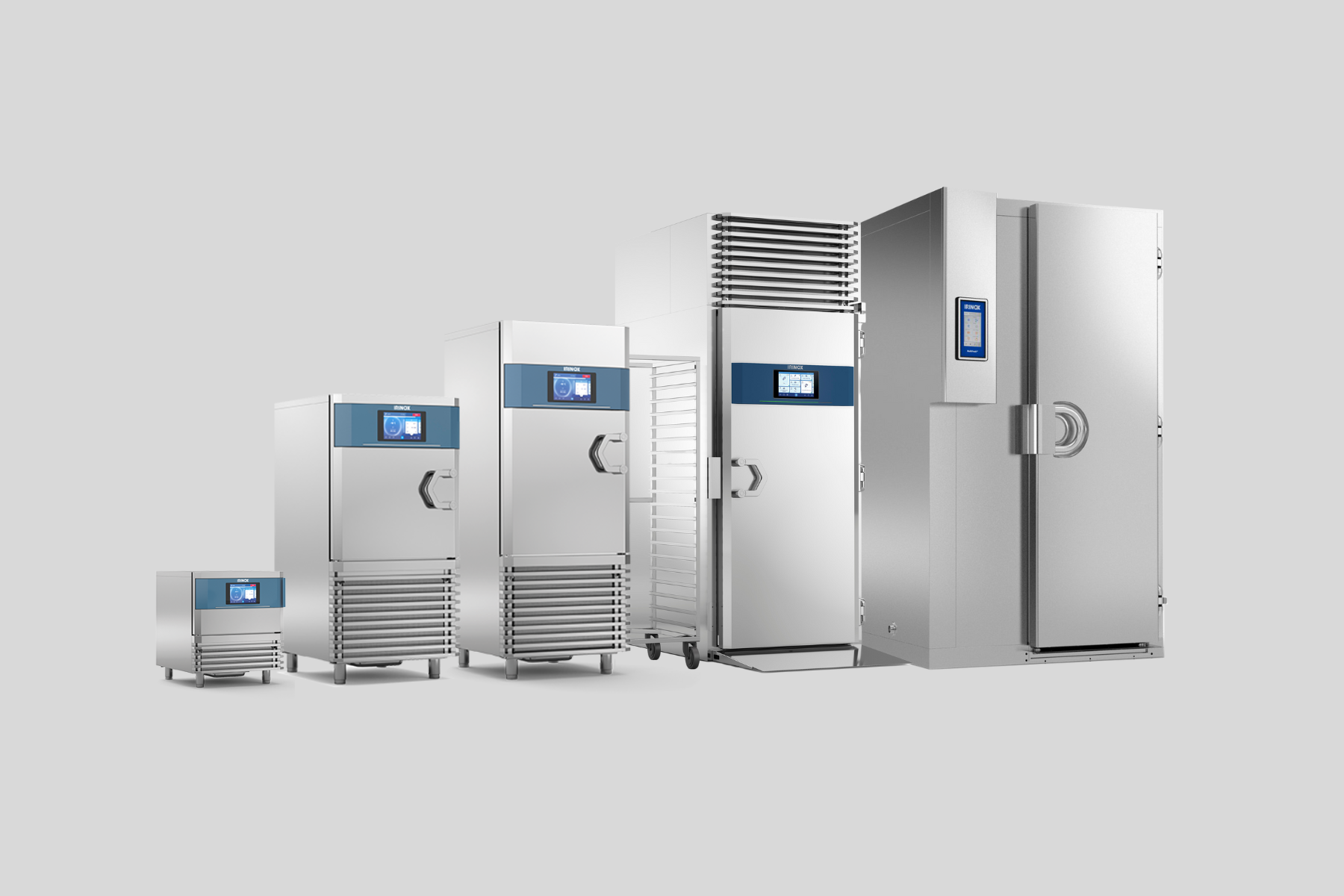
From Prep to Profit: How Blast Chilling Helps Kitchens Cut Food Waste
Every year, the foodservice industry loses billions of dollars to food waste. Overproduction, spoilage, and inconsistent storage temperatures; these are challenges that affect kitchens of every size, from boutique restaurants to large-scale catering operations. And while sustainability has become a priority across industries, in the kitchen, it's not just an ethical goal. It's a financial one.
At Irinox North America, we believe that the path to a more sustainable kitchen starts with one simple question: how long can your food stay at its best?
The Real Cost of Wasted Food
When a kitchen throws away food, it's not just discarding ingredients. It's discarding the labor, energy, water, and packaging that went into producing and preparing those ingredients. The EPA estimates that food is the single largest category of material sent to landfills in the United States. For foodservice operators, this translates directly into higher costs, tighter margins, and a larger environmental footprint.
The good news? A significant portion of food waste is preventable — and it starts at the moment food leaves the heat.
Why Cooling Speed Matters
Most people know that food needs to be refrigerated, but far fewer understand just how critical the speed of that cooling process is. When hot food is left to cool at room temperature, or placed directly into a standard refrigerator, it spends too long in the temperature "danger zone" — between 40°F and 140°F — where bacteria multiply rapidly and quality deteriorates quickly.
Blast chillers solve this problem by rapidly reducing the core temperature of food, passing through that danger zone in a fraction of the time. The result? Food retains its texture, flavor, nutrients, and safety — and its usable shelf life is significantly extended.
Cook More, Waste Less
One of the most powerful sustainability strategies in modern kitchens is cook-chill production: preparing larger quantities of food in advance, blast chilling immediately after cooking, and storing portions for later use. This approach allows kitchen teams to work more efficiently, reduce last-minute overproduction, and serve consistent quality every time.
Instead of cooking to order and discarding what doesn't sell, operators can prepare, chill, and use — on their schedule.
The Organization Advantage
Sustainability isn't only about reducing what gets thrown away. It's also about improving how a kitchen operates day to day. Blast chilling enables better meal planning, smarter purchasing, and cleaner inventory management. When you know your product will stay fresh for longer, you can buy with more confidence, prep with more precision, and serve with more consistency.
Less guesswork. Less spoilage. Less stress.
A Small Change With a Big Impact
Integrating blast chilling into your kitchen workflow doesn't require a complete overhaul — it requires a shift in how you think about time and temperature. Many Irinox customers report meaningful reductions in food waste within the first weeks of use, along with improved team efficiency and lower operating costs.
Sustainability in the kitchen isn't a trend. It's a smarter way to work. And it starts the moment the cooking is done.